

Rifle Ammo
What Makes .30 Carbine ammo a Popular Choice? A Look at Its History and Modern Applications
Nov
Introduction: The Rise and Enduring Popularity of the .30 Carbine
The .30 Carbine round has a fascinating history that spans over 80 years, beginning as a specialized military cartridge and evolving into a popular choice for enthusiasts and sport shooters. Known for its reliability, lightweight design, and versatility, the .30 Carbine holds a unique place in firearms history. This article explores the origins of this round during World War II, its lasting appeal, and how it’s still widely used today.
Image Suggestion: Include a historical photo of a WWII soldier with an M1 Carbine rifle to illustrate the military roots of the .30 Carbine round.
The Birth of the .30 Carbine: A WWII Necessity
The .30 Carbine cartridge was developed in the early 1940s as a lightweight, short-range round for the U.S. military. The United States Army requested a cartridge for a new class of “light rifles” that would serve as an intermediate weapon for troops who needed more firepower than a handgun but something lighter than a standard infantry rifle.
In response, the Winchester Repeating Arms Company developed the .30 Carbine round, paired with the iconic M1 Carbine rifle. Together, the M1 and .30 Carbine combo became one of the most widely used and loved firearms of WWII, favored for its:
- Lightweight design: Perfect for paratroopers, tank crews, and support personnel who needed mobility.
- Increased firepower: More effective than a handgun but easier to handle than full-sized rifles.
- Effective short-range performance: The round provided reliable stopping power in close to medium-range combat situations.
Video Suggestion: Embed a short video discussing the .30 Carbine’s role in WWII and its impact on small arms design.
External Link Suggestion: Link to a historical overview on a site like the National WWII Museum to provide additional context on WWII firearms.
The .30 Carbine in Action: WWII to the Korean War
The .30 Carbine was widely deployed across various battlefields during WWII, finding use among American forces in Europe and the Pacific. Its popularity continued through the Korean War, where it remained an essential tool in the U.S. military arsenal.
Despite some critiques about its stopping power at longer ranges, the .30 Carbine proved valuable in conditions where mobility and handling speed were paramount. Soldiers appreciated its accuracy, especially in close combat, and the M1 Carbine’s light, compact build made it a natural choice for the battlefield.
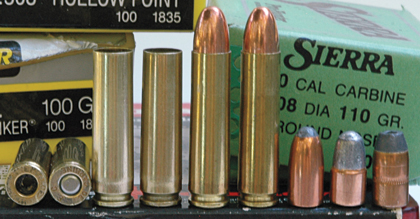
Image Suggestion: Display a close-up of an M1 Carbine rifle with .30 Carbine rounds to emphasize the military design.
Internal Link Suggestion: Link to an article like “Top Vintage Military Firearms for Collectors” for readers interested in exploring historical firearms.
Modern Applications of the .30 Carbine: Sport Shooting and Target Practice
While the .30 Carbine cartridge was originally designed for military use, its practical design and reliable performance have made it a favorite in civilian applications for decades. Today, it is widely used for:
1. Target Practice
The .30 Carbine’s moderate recoil and consistent accuracy make it a top choice for target practice. Enthusiasts appreciate the cartridge’s manageable power, which is ideal for honing shooting skills without the fatigue caused by heavier rounds.
2. Sport Shooting
The .30 Carbine is also popular in sport shooting competitions, especially vintage rifle matches. Shooters value its historical significance and performance, making it an interesting round to work with on the range.
3. Small Game Hunting
While not as popular as other cartridges for hunting, the .30 Carbine is occasionally used for small game. Its light recoil and moderate power make it suitable for small game in certain settings, though hunters typically prefer more specialized rounds.
Image Suggestion: Add an image showing a sport shooter using an M1 Carbine at an outdoor range to demonstrate its ongoing use.
Why the .30 Carbine Remains a Popular Choice
The ongoing appeal of the .30 Carbine lies in a few standout qualities that make it a unique choice for firearm enthusiasts and collectors:
- Historically Significant: Collectors and history buffs admire the .30 Carbine for its role in shaping military firearms.
- User-Friendly: The low recoil and light weight make it accessible for new shooters and comfortable for extended range sessions.
- Affordable and Available: Many manufacturers continue to produce .30 Carbine rounds, making it a readily available and affordable option for practice and sport.
Internal Link Suggestion: Link to “Best Ammo for Recreational Target Shooting” for readers interested in exploring other rounds for similar uses.
The .30 Carbine Ammo: FMJ as the Go-To Choice
Most .30 Carbine rounds come in a Full Metal Jacket (FMJ) configuration, designed to penetrate targets with limited expansion. This design makes it particularly useful for:
- Accuracy and consistency: FMJ rounds maintain a straight path and are less likely to deform.
- Affordability: FMJ is cost-effective for high-volume shooting, making it ideal for training.
The .30 Carbine round is also known for its moderate weight and compact design, which contributes to its versatility and popularity among shooters today.
Video Suggestion: A demonstration video comparing FMJ .30 Carbine rounds with other popular rounds to showcase its performance on different targets.
Tips for Storing .30 Carbine Ammo
Storing .30 Carbine ammo properly is essential for maintaining its reliability. Here are some tips to keep your rounds in optimal condition:
- Store in Cool, Dry Conditions: Avoid humidity and extreme temperature changes to prevent corrosion.
- Use Airtight Containers: Ammo cans or sealed bags protect rounds from moisture and other environmental factors.
- Limit Handling: Repeatedly touching the rounds can lead to oil and residue buildup, so minimize handling until you’re ready to shoot.
Internal Link Suggestion: Link to an article like “Essential Tips for Long-Term Ammo Storage” for more guidance on keeping ammunition safe.
Image Suggestion: Show an ammo can with .30 Carbine rounds stored neatly to highlight best practices for storage.
Frequently Asked Questions: .30 Carbine Ammo
Q1: Is .30 Carbine ammo suitable for self-defense?
A1: While it’s possible to use .30 Carbine for self-defense, it’s generally more popular for target practice and sport. Its stopping power may not be sufficient for high-stakes defensive scenarios compared to other rounds.
Q2: Can the .30 Carbine round be used for hunting?
A2: The .30 Carbine can be used for small game hunting, but it’s not typically recommended for larger game due to its moderate power and lack of expansion.
Q3: Is FMJ the only type of .30 Carbine ammo available?
A3: Most .30 Carbine rounds are produced as FMJ due to their historical design for the military, but other options, like soft-point rounds, may occasionally be available.
Q4: Where can I buy .30 Carbine ammo?
A4: Many sporting goods stores and online retailers offer .30 Carbine ammo. Ensure you’re purchasing from a reputable source to get high-quality, reliable rounds.
Conclusion: The Legacy and Modern Appeal of the .30 Carbine Round
The .30 Carbine round has left an indelible mark on the world of firearms. From its innovative beginnings during WWII to its continued popularity among target shooters and collectors, this cartridge embodies both history and functionality. Whether you’re interested in the legacy of military firearms or looking for a versatile round for sport shooting, the .30 Carbine offers unique advantages.
For those considering adding .30 Carbine rounds to their collection, remember to keep them stored securely and consider them for your next range session. Their low recoil and accuracy make them a great choice for anyone looking to improve their shooting skills while paying homage to an iconic piece of history.
Image Suggestion: Wrap up with an image of a vintage-style M1 Carbine on a display stand to emphasize its collectible appeal.
Internal Link Suggestion: Conclude with a link to “The History of Iconic WWII Firearms” for readers interested in learning more about military weaponry.
